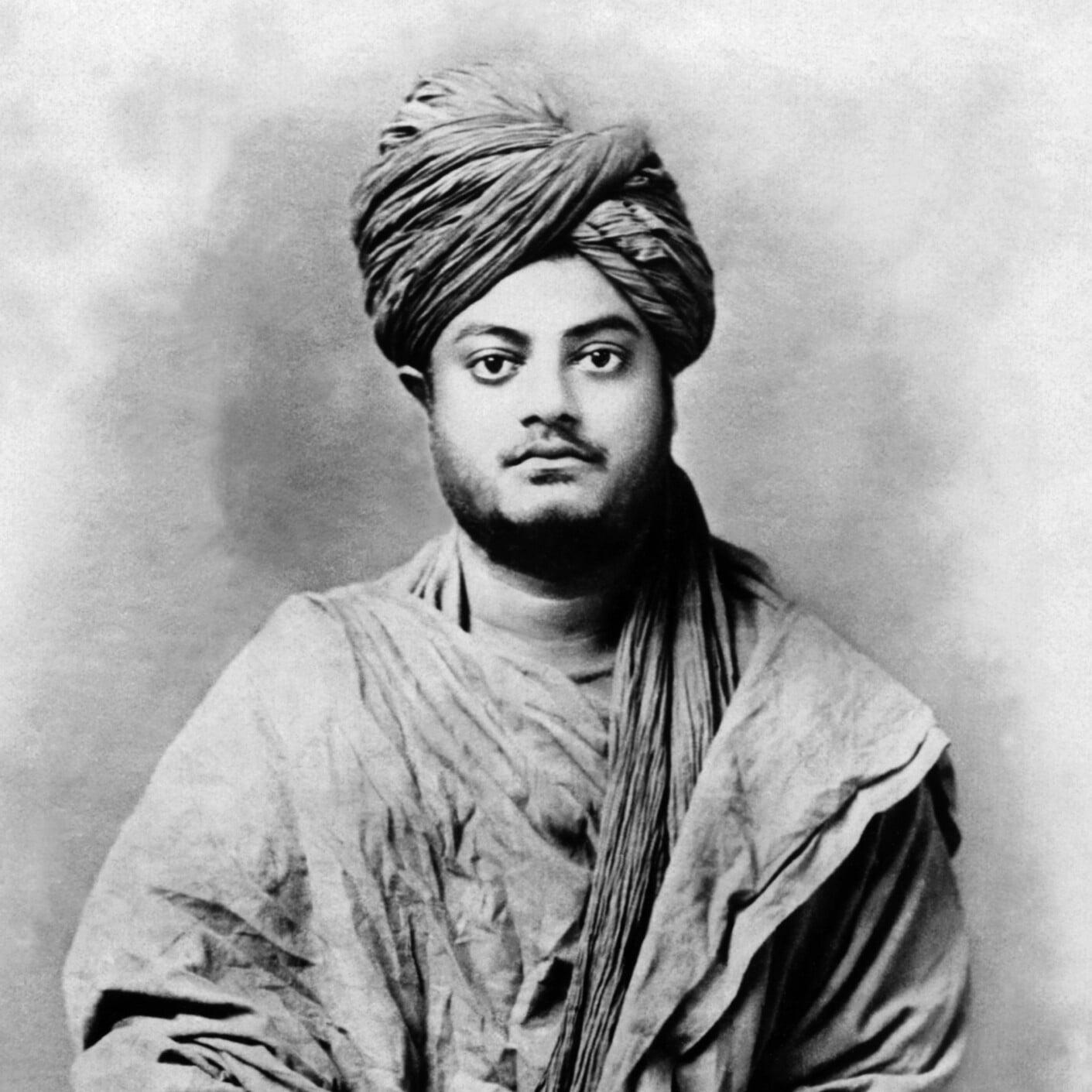
Almora has long drawn sadhakas to its Himalayan quietude. Its temperate climate, sylvan forests, and ancient temples create a natural setting for sadhana. Little wonder that twelve direct disciples of Sri Ramakrishna came here for tapasya—many visiting repeatedly and staying for extended periods.
Swami Vivekananda led the way through his three significant visits, bringing with him brother monks as well as Indian and Western disciples, both monastic and lay. In those formative years, Almora emerged as a vital centre of the Ramakrishna Movement in the Himalayas—drawing seekers by its sanctity, and in turn, being further sanctified by their austerities.
What follows is a brief account of some of these early visitors and their sojourns in this Kumaon hill town.
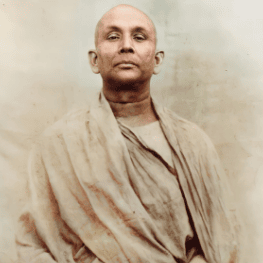
Renowned for his austere asceticism and deep knowledge of Vedanta, Hari Maharaj visited Almora several times—first in 1898 with Swami Vivekananda, later around 1905, and finally in 1915 with Swami Shivananda. several times—first in 1898 with Swami Vivekananda, later around 1905, and finally in 1915 with Swami Shivananda.
During his last visit, though he had come for recuperation, he undertook intense tapasya and, despite illness and hardship, established Ramakrishna Kutir, fulfilling Vivekananda’s long-cherished vision of a centre in Almora.
A direct disciple of Sri Ramakrishna and the second President of the Ramakrishna Order.
Visited Almora in 1889, 1893, 1897, 1913–14, and 1915. He spent the most time in Almora among the direct disciples, practicing tapasya at Patal Devi and staying at the Chilkapeta house of Lala Badri Shah.
He wrote 28 spiritually significant letters from Almora. Tasked by Swamiji to build an ashrama here, he initiated the founding of Ramakrishna Kutir in 1915 alongside Swami Turiyananda.
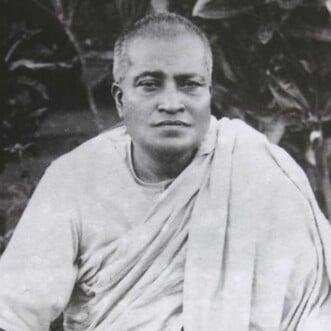
Baburam Maharaj visited Almora around 1898 (surviving a famous fall from a horse between Nainital and Almora, narrowly avoiding Swamiji's anxious scolding) and again in 1901 en route to Mayavati.
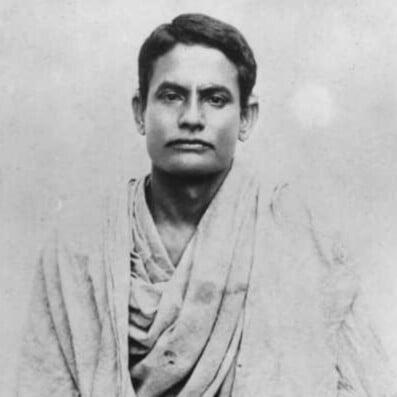
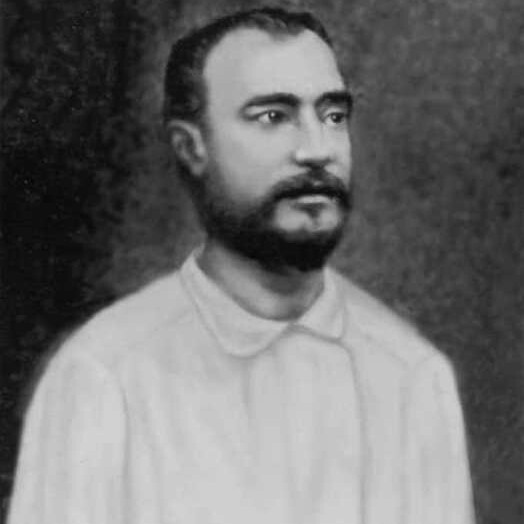
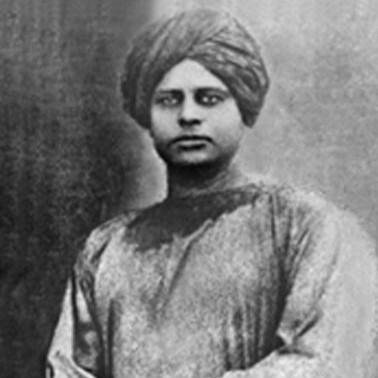
It was from his reminiscences from this time that we get to know of the incident of Swamiji’s reunion with the poor fakir, who had seven years earlier, fed him a cucumber. Upon recognizing him Almora, Swamiji embraced the man and rewarded his past kindness with heartfelt generosity.
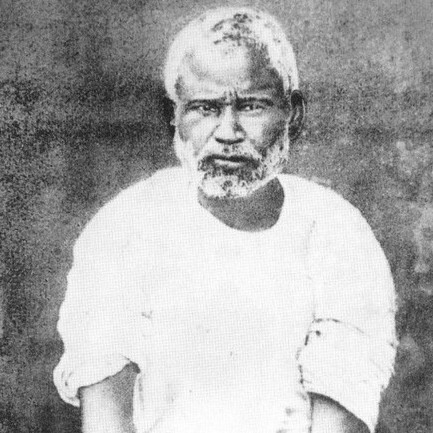
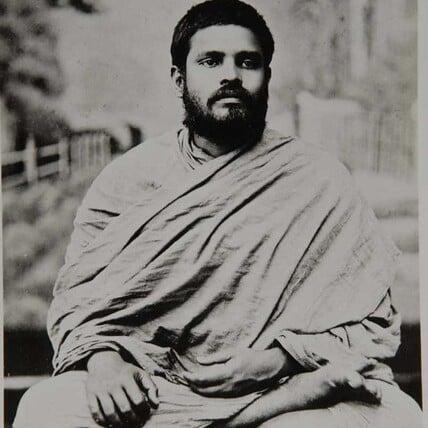
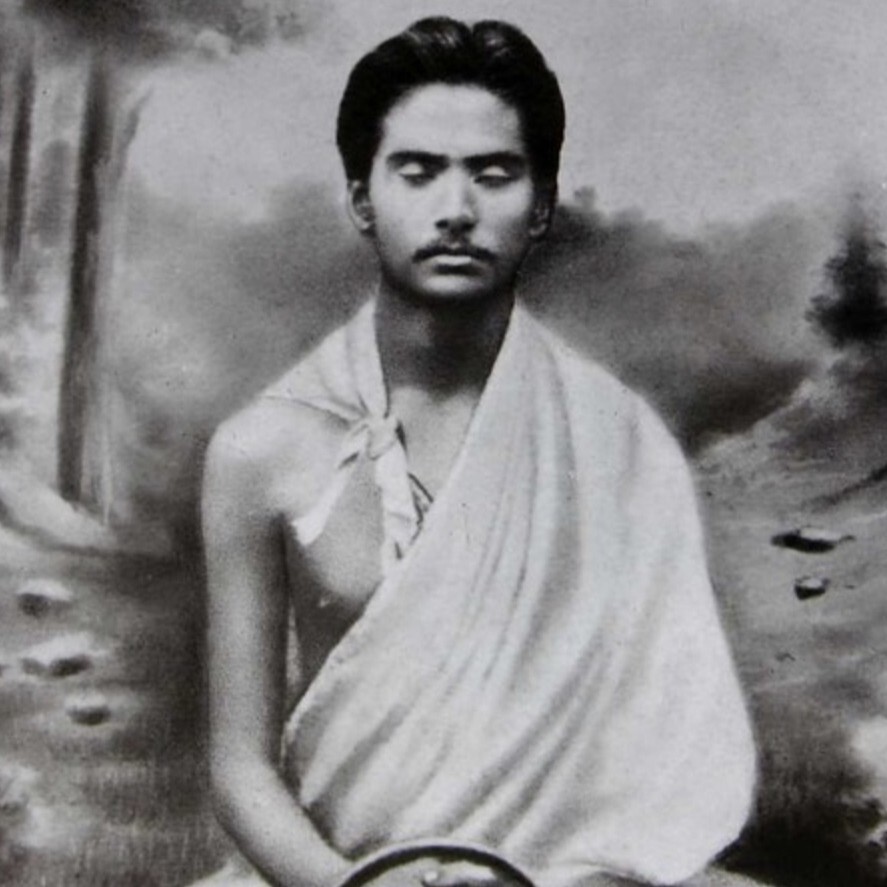
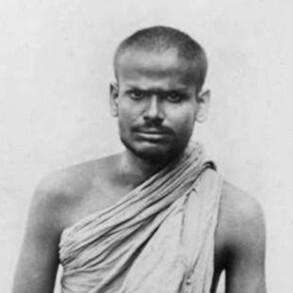
Visited Almora in 1899 and 1905, and likely passed through the Almora route during his trips to Mayavati around 1902 and 1904.
A direct disciple of Sri Ramakrishna known for his pioneering relief, orphanage, and rural development work and the third President of the Order, Gangadhar Maharaj was the first among his brother disciples to visit Almora, sometime between 1886 and 1890. During these visits, he developed a close relationship with Lala Badri Shah and his family, who affectionately referred to him as “Tibbetwale Babaji.” In 1890, he came here with Swami Vivekananda during their parivrajaka days, thus playing a key role in introducing Swamiji to the region.
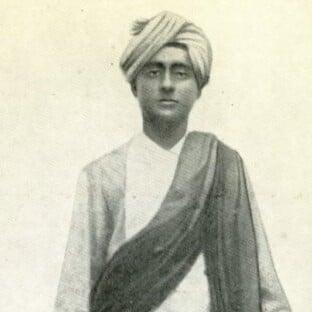
A direct disciple of Sri Ramakrishna, later known for his pioneering work in America, especially the establishment of the Vedanta centre in San Francisco.
Visited Almora in 1895 on his way to Tibet. He stayed for several days at the residence of Lala Badri Shah, where he regained strength and experienced warm hospitality. His detailed writings from this journey provide valuable insights into Almora’s social and cultural milieu, including a vivid portrayal of Lala Badri Shah’s character.
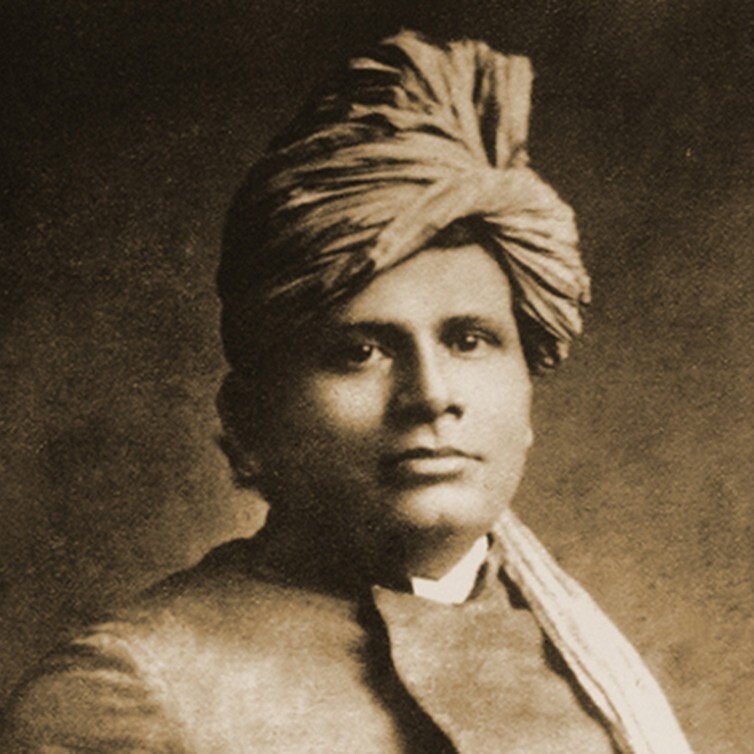
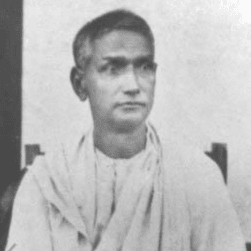
Tulsi Maharaj, a direct disciple of Sri Ramakrishna and ordained into sannyasa by Swami Vivekananda, was known for his tireless service, deep scriptural learning, and dynamic leadership.
He played a pioneering role in spreading the Ramakrishna Movement in South India, founding numerous ashramas and serving as the long-time head of the Bangalore Math.
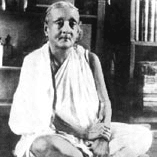
Yogindramohini Biswas, a close disciple of Sri Ramakrishna and an intimate companion of Sarada Devi, was affectionately called “Daughter Yogen.”
A woman of deep spiritual realization, she served Holy Mother with lifelong devotion, helping manage her household at Baghbazar and sharing in her spiritual practices.
Revered for her purity and steadfast faith, she was regarded as one of Holy Mother’s closest and most trusted companions.
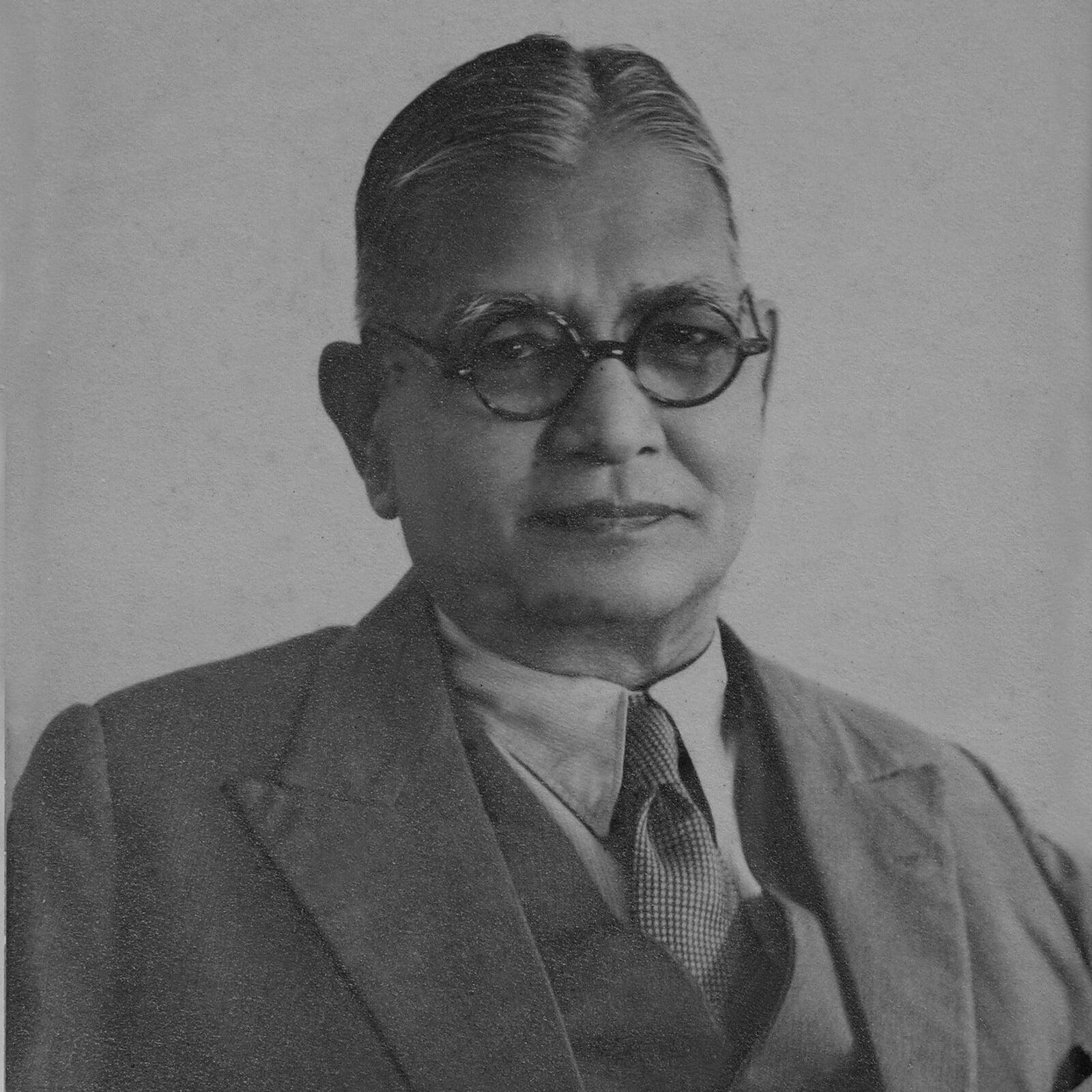
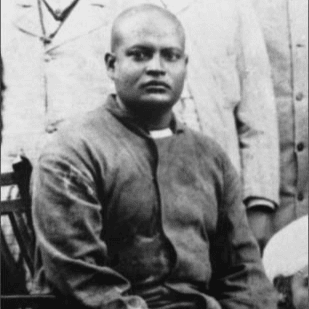
Also known as Gupta Maharaj, he was Swami Vivekananda’s first monastic disciple, renowned for his absolute obedience and dedicated relief work during the Calcutta Plague.
He accompanied Swamiji to Almora in 1897 and again in 1898, along with Western disciples including Sister Nivedita, staying at Thompson House as guests of the Sevier couple.
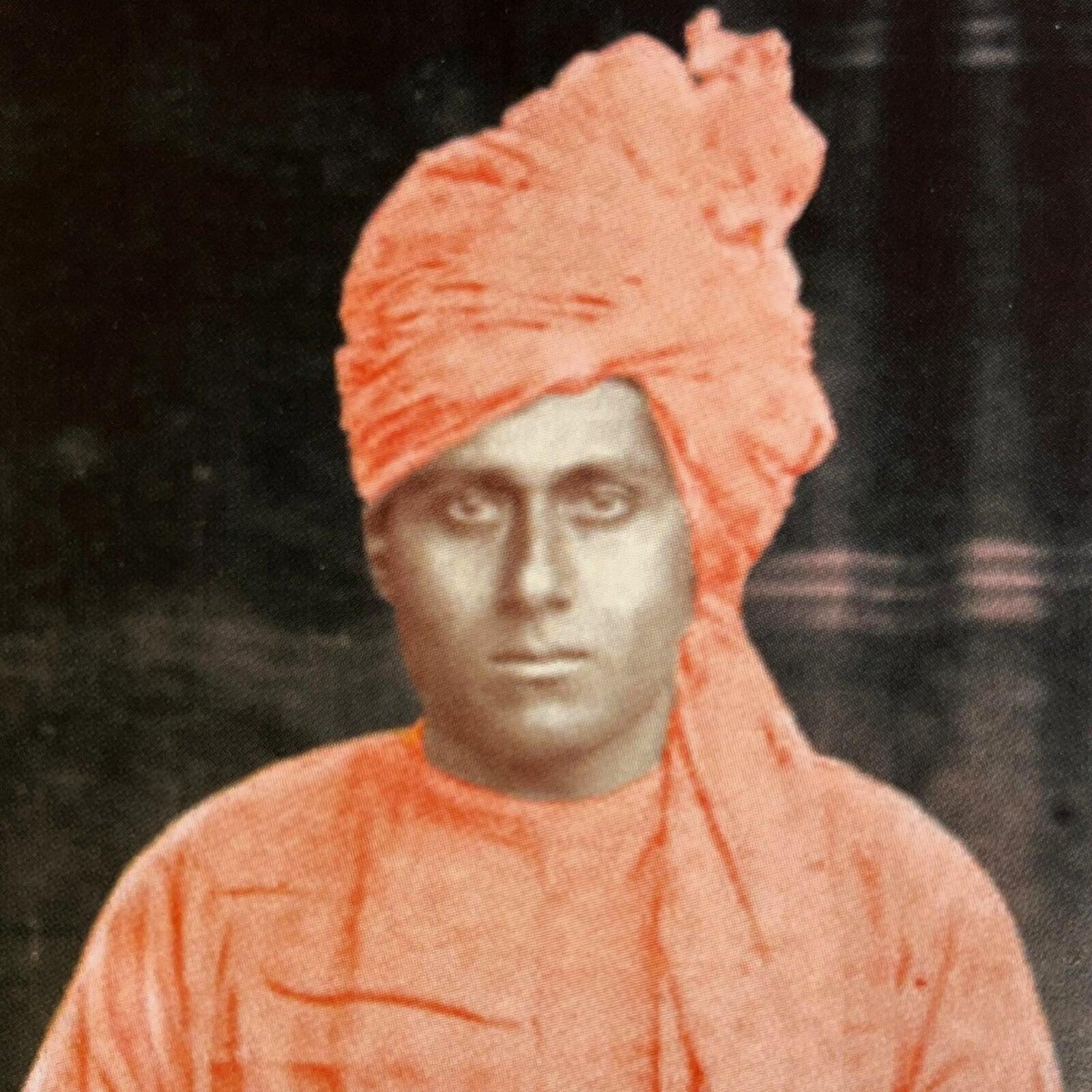
A monastic disciple of Swamiji and the founding President of Advaita Ashrama. Visited Almora in 1898. A highly pivotal figure in Almora's history, he revived the Prabuddha Bharata from Thompson House (with Captain Sevier).
He taught Sister Nivedita meditation during this period and was the primary scout who searched the region to find the Mayavati estate.
A disciple of Swami Vivekananda, later the 5th President of the Order, Swami Shuddhananda translated most of Swamiji’s works into Bengali.
Formerly Brahmachari Sudhir, he accompanied Swamiji and Swami Niranjanananda during their visit to Almora in 1898. Greatly inspired by Niranjanananda, he received sannyasa from him on 16 September 1898 at the house of Lala Badri Sah in Almora.
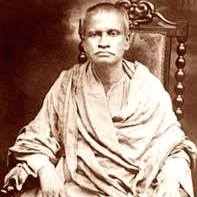
A disciple of Swami Vivekananda and the 6th President of the Order, Swami Virajananda compiled the Complete Works of Swami Vivekananda and published the first English biography of Swamiji from Advaita Ashrama, Mayavati, where he served extensively as a worker and later as President. He founded the Vivekananda Ashrama at Shyamla Tal, often passing through Almora. A few of his conversations with Brahmachari Ram Maharaj of the Almora Ashrama are recorded in Atiter Smriti.
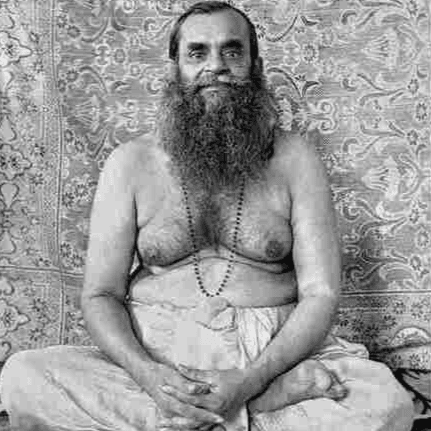
Krishnalal Maharaj, was a disciple of Holy Mother. Frequented Alambazar Math in student days and joined (1993) with mother’s permission. Attendant of Swamiji and later of Holy Mother. Functioned as a priest at the first Durga Puja at Belur Math (1901). Continued as worshipper in the Master’s shrine and during Durga Puja for many years. At Baghbazar assisted Swami Yogananda in serving Holy Mother and Swami Turiyananda. Trustee and Member of Governing Body of the Math and the Mission.
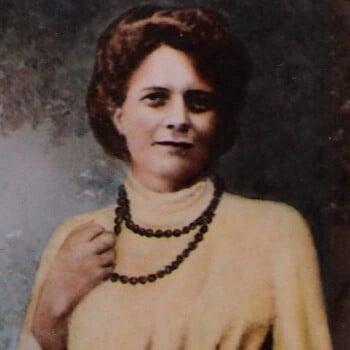
Miss Margaret Noble, an Irish disciple of Swami Vivekananda, dedicated her life to India’s education, cultural revival, and nationalist awakening.
She accompanied Swamiji to Almora in 1898, staying at Oakley House (now Nivedita Cottage), where she underwent a rigorous inner training—shedding her colonial identity and embracing the Indian cause. After a profound crisis, she was blessed by Swamiji under a deodar tree, an experience that marked her spiritual awakening and lifelong dedication to his mission.
She preserved many of these conversations and reminiscences, including insights from the morning classes, in her book Notes of Some Wanderings with the Swami Vivekananda—a timeless masterpiece.
A British stenographer, he became a devoted disciple of Swami Vivekananda, faithfully recording his lectures in both the West and India.
He accompanied Swamiji during his 1897 tour, taking down lectures from Colombo to Almora. Later, he went to Madras, embraced the life of a brahmachari, and moved to Ooty, where he worked for a newspaper. He passed away untimely of enteric fever in 1898 at just 27.
Swamiji, then in Almora, was deeply distressed and composed the poem Requiescat in Pace, sending it to Goodwin’s mother. He remarked that "those who think they have been helped by any thought of mine ought to know that almost every word of it was published through the untiring and most unselfish exertions of Mr. Goodwin."
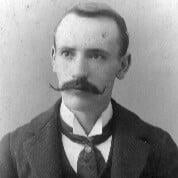
A revered nationalist leader and educationist from Bengal, met Swami Vivekananda in Almora in 1897, fulfilling a long-pending wish from the Master’s time.
Their conversations on nationalism, service, and true freedom deeply influenced him, leading him to dedicate his life more fully to education and selfless service.
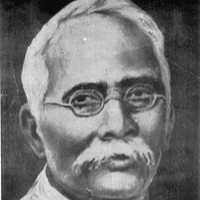
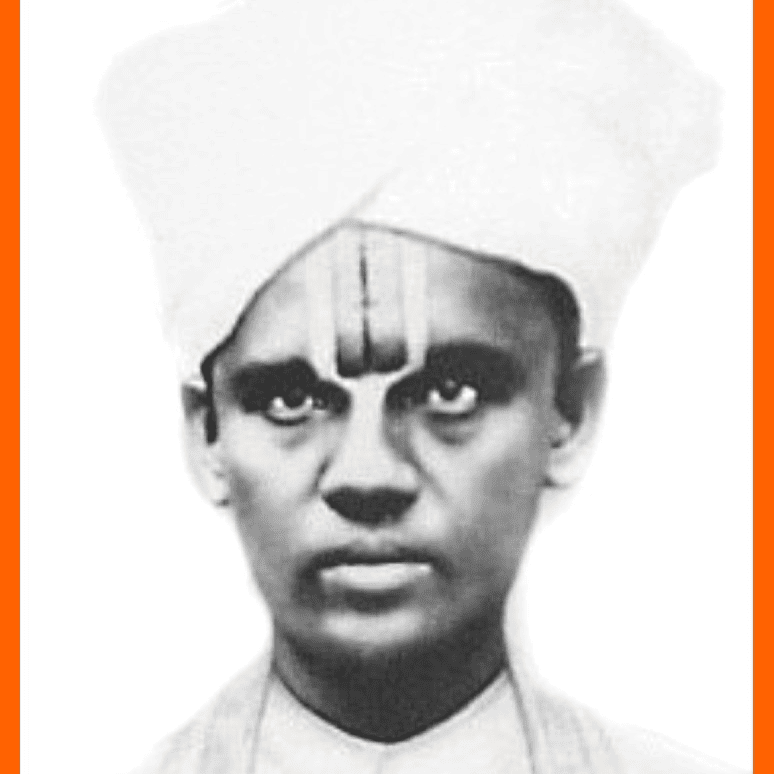
He traveled from Madras to Almora in May/June 1897 to consult with Swamiji on the Brahmavadin and their future work, staying for several days before journeying onward to Badrinath
Also known as Narsimha or Narsimhachari, a devoted disciple of Swami Vivekananda, first met him in Madras in 1893 and was deeply inspired by his personality and message.
He played a pivotal role in organizing support to send Swamiji to the West and was instrumental in founding and running the journal Brahmavadin. A tireless worker for Swamiji’s cause, he later accompanied him on his travels in India, spending some time with him at Almora as well (1897).
Professor of Chemistry in Trivandrum College, scholar and man of science well-known throughout South India. One of the principal contributors to the Brahmavadin.
On pilgrimage, visited Calcutta (1897) and upon Swamiji’s request delivered a lecture on “The Priest and the Prophet” at the Star Theatre. He later travelled to Almora with Alasinga Perumal en route to Badrinath, meeting Swamiji there in June 1897.
She first visited Almora in 1898 with Swamiji, staying at Oakley House and attending the morning classes and the training alongside Sister Nivedita, Sara Bull and Mrs. Paterson. She returned again in 1926, spending extended time with Boshi Sen and Sister Christine, even paying all expenses for them and American artists Earl and Achsah Brewster to stay at Almora.
Deeply trusting Sister Christine’s abilities, she envisioned a women’s Math in Almora under her guidance—an idea that, though unrealized then, found expression much later in 1998 in the establishment of the Sarada Math.
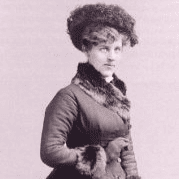
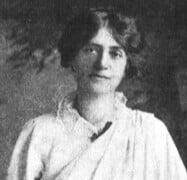
A devoted Western disciple of Swami Vivekananda, was known for her quiet dedication and practical execution of his ideals, especially in running the girls’ school founded by Nivedita from 1904.
Josephine MacLeod held her in the highest regard, noting that Swamiji "loved Christine more than anyone else...she was the one Western pupil who understood Vedanta best, Swamiji felt." She shared a close, almost maternal bond with Boshi Sen, with whom she came to Almora around 1926.
Despite fragile health, she spent most of her final years in Almora at the Kundan House with the Sen couple in quiet retreat, living simply, writing her reminiscences of Swamiji, and passing her time in deep spiritual reflection.
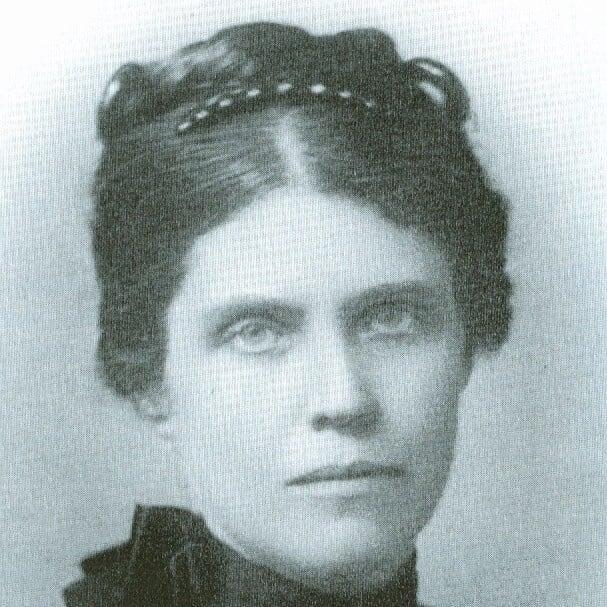
Mrs. Bull, wife of the famed Norwegian violinist Ole Bull, was an American disciple of Swami Vivekananda, whom he lovingly called “Dhira Mata.” A major financial supporter of the Ramakrishna Math, she was also affectionately known as “Saint Sara.”
She visited Almora in 1898 as part of the women’s group staying at Oakley House, and later accompanied Swamiji on the journey to Kashmir.
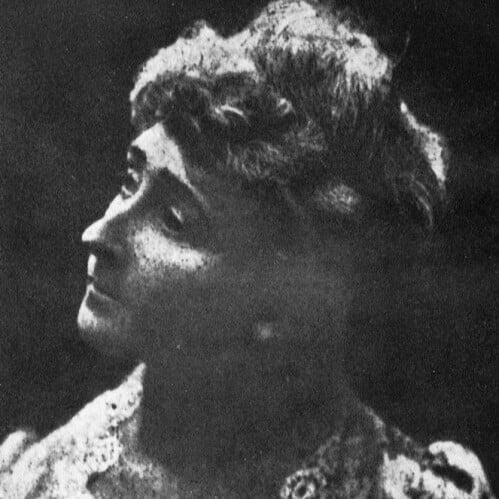
A British disciple of Swami Vivekananda, who renounced his life in England to dedicate himself wholly to his Master’s vision of a Himalayan monastery. Swamiji deeply admired his austere, monk-like spirit and later referred to him as a martyr for the cause.
He arrived in Almora in 1897 and hosted Swamiji at Thompson House in 1898. He played a crucial role in setting up the printing press, reviving Prabuddha Bharata, and was instrumental in founding Advaita Ashrama, Mayavati, where he eventually passed away.
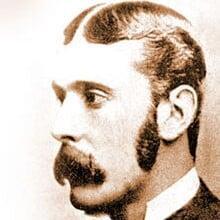
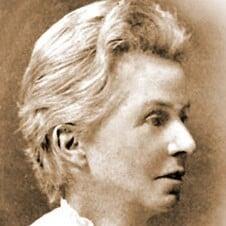
Mother Sevier, an English disciple of Swami Vivekananda, dedicated her life wholly to his mission, accompanying him to India and settling in the Himalayas.
At Advaita Ashrama, Mayavati, she played a vital role in its growth—serving for many years as Assistant Editor of Prabuddha Bharata and contributing significantly to the publication of Swamiji’s works. She continued to guide and support the Ashrama for over a decade after Captain Sevier’s passing, leaving behind a lasting legacy of devotion, service, and quiet strength.
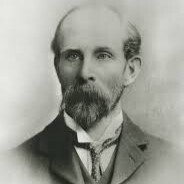
He had earlier come to Almora in 1892-93 for spiritual practice, where he met Swami Shivananda and first heard of Swamiji’s success in the West. This encounter deepened his spiritual interest and later led him to invite Swamiji to London, thus becoming instrumental in spreading Vedanta in England.
Marketing Analyser