SWAMI VIVEKANANDA'S
THREE VISITS TO ALMORA
and finally came as a Guru, quietly transmitting his legacy to the future.
1890: The Wandering Seeker
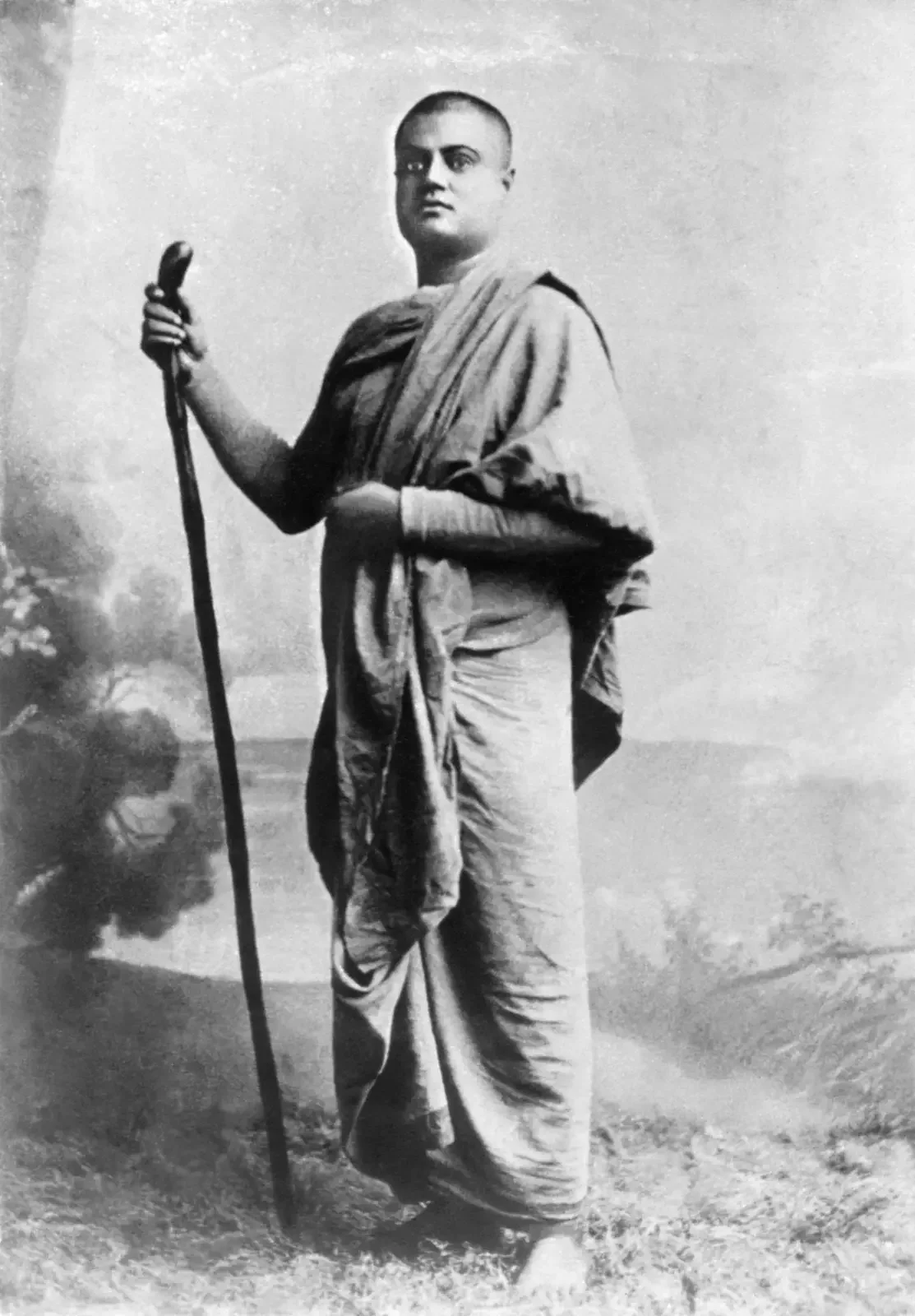
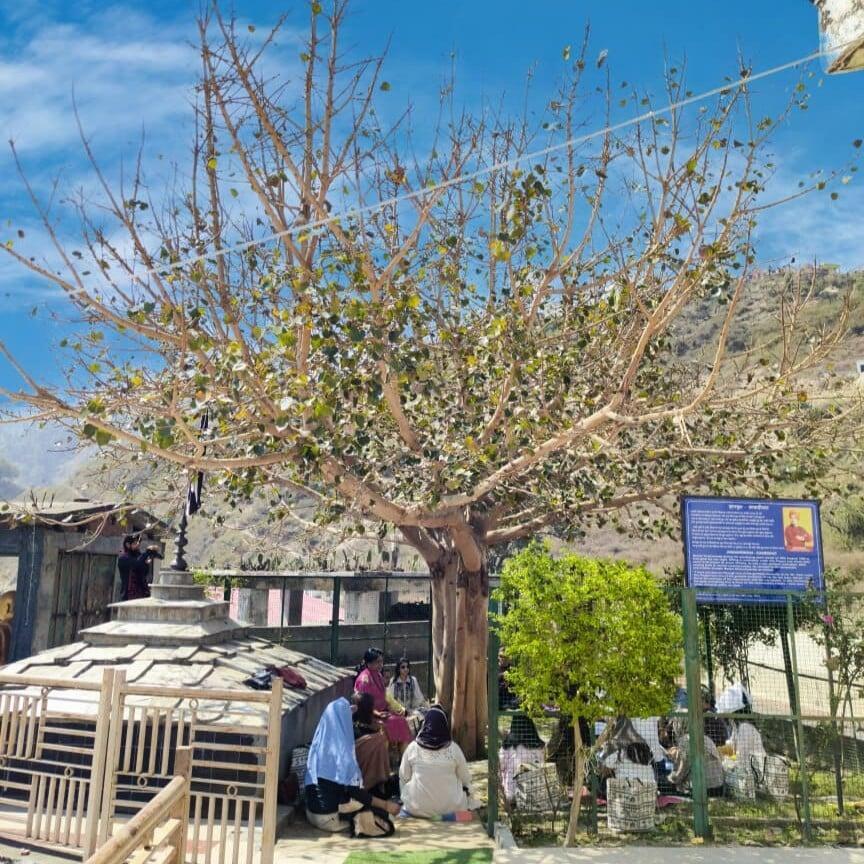
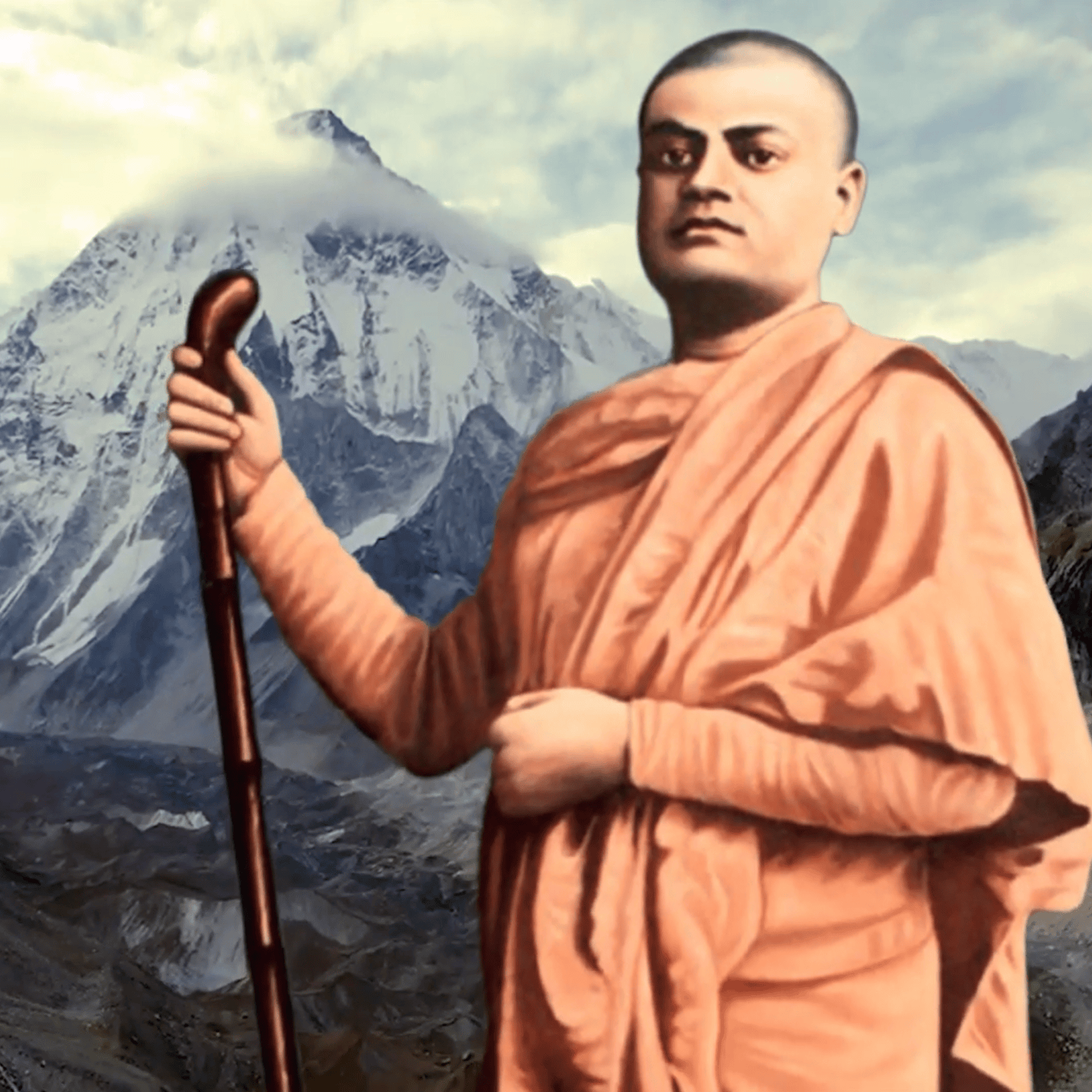
When a young Swami Vivekananda first arrived in 1890 alongside Swami Akhandananda, he was a parivrajaka—a wandering monk yearning to lose himself in the silence of the Himalayas. This journey would reveal to him the very bedrock of his philosophy.
Soon after, he received the tragic news of his sister’s death, a blow that kindled in him a fierce resolve to uplift Indian women. He would later declare: “There is no chance for the welfare of the world unless the condition of women is improved.”
Thus awakened—spiritually illumined yet inwardly aflame—he descended from the Himalayas, traversed the length of India to Kanyakumari, and eventually carried his message to the West.
1897: The Triumphant Return
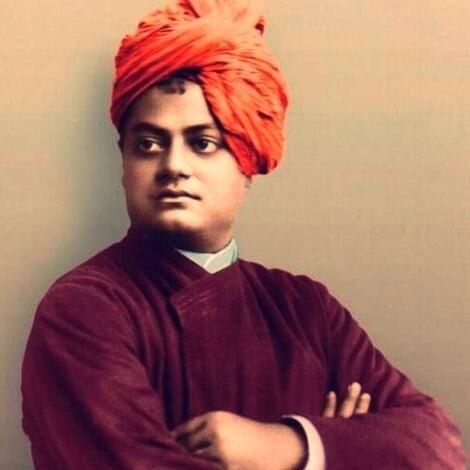
Four years later, having hoisted the flag of Vedanta on foreign soil, Swami Vivekananda returned to Almora. He was no longer an unknown monk, but a global spiritual leader.
A Grand Reception:
The people of Almora accorded him a welcome of extraordinary warmth and splendour. The town seemed to rise as one—beyond distinctions of caste, creed, or age. The streets were illuminated as if for Diwali, and a grand procession, rich in colour and sound, made its way through the bazaar—surpassing even the celebrated receptions of Madras and Calcutta.
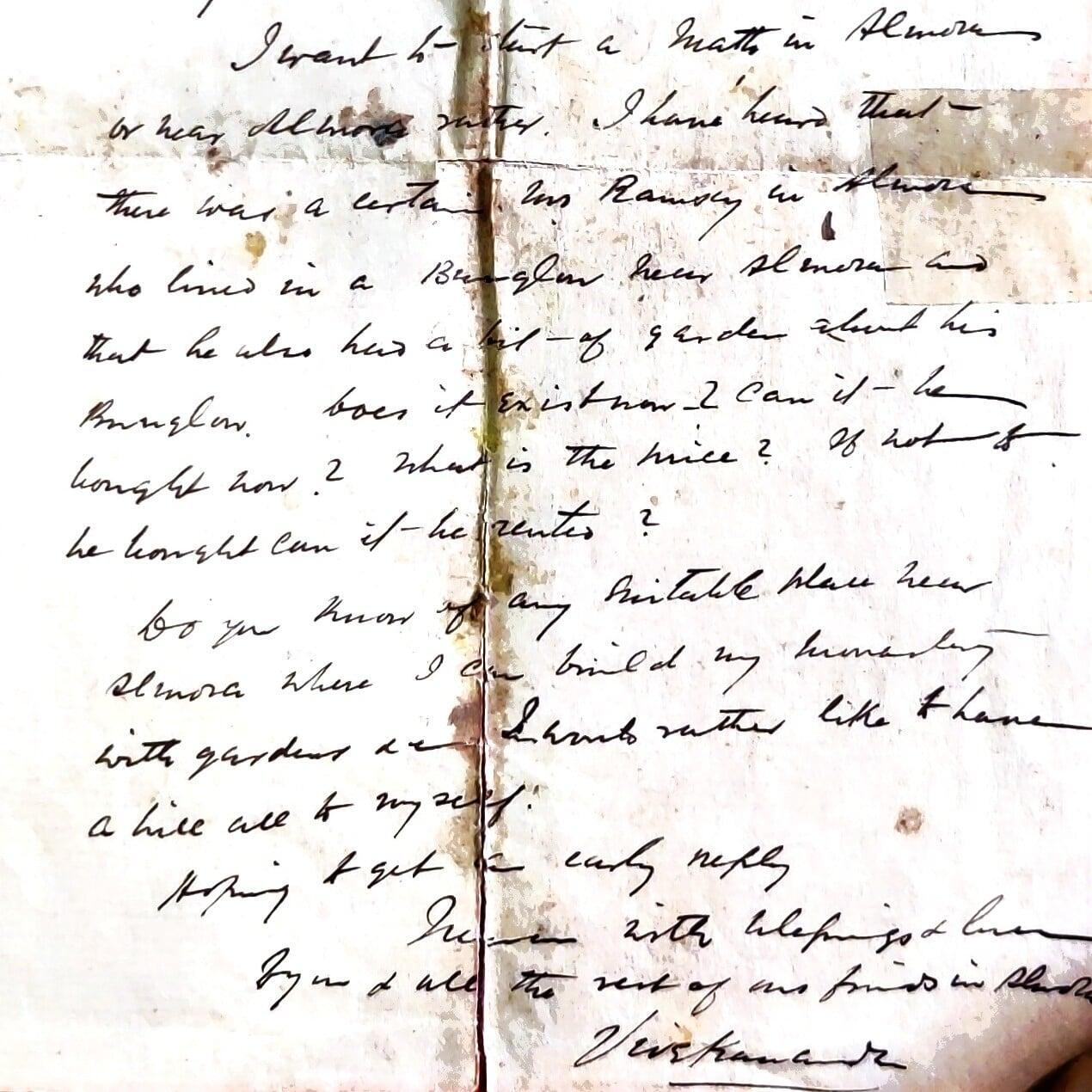
When the procession halted in the heart of the town, Swamiji spoke with great intensity, describing the Himalayas as the “birthplace of philosophy,” unified by the ideal of renunciation. It was here that he publicly expressed, for the first time, his desire to establish a centre in this sacred region—dedicated to meditation and peace.
Rejuvenation and Vision:
At the quiet Dewaldhar estate, he found much-needed rest after years of relentless labour in the West and his triumphant journey from Colombo to Almora. His days were spent in study, meditation, and correspondence—writing powerful letters to his brother disciples and laying the early foundations of the Ramakrishna Mission.
The Power of Language:
During this stay, he delivered his first public lecture in Hindi, discovering in the language a vast and living potential. He himself was struck by the force and fluency of his expression. He also addressed gatherings at the Government Inter College and the English Club, engaging both local and English-speaking audiences.
Through quiet walks, horseback rides, and conversations with people from all walks of life—including thinkers like Ashwini Kumar Dutta—he gradually regained both physical strength and mental clarity. In these moments of repose, his resolve only deepened, preparing him to carry forward, with renewed force, his mission of awakening the sleeping soul of India.
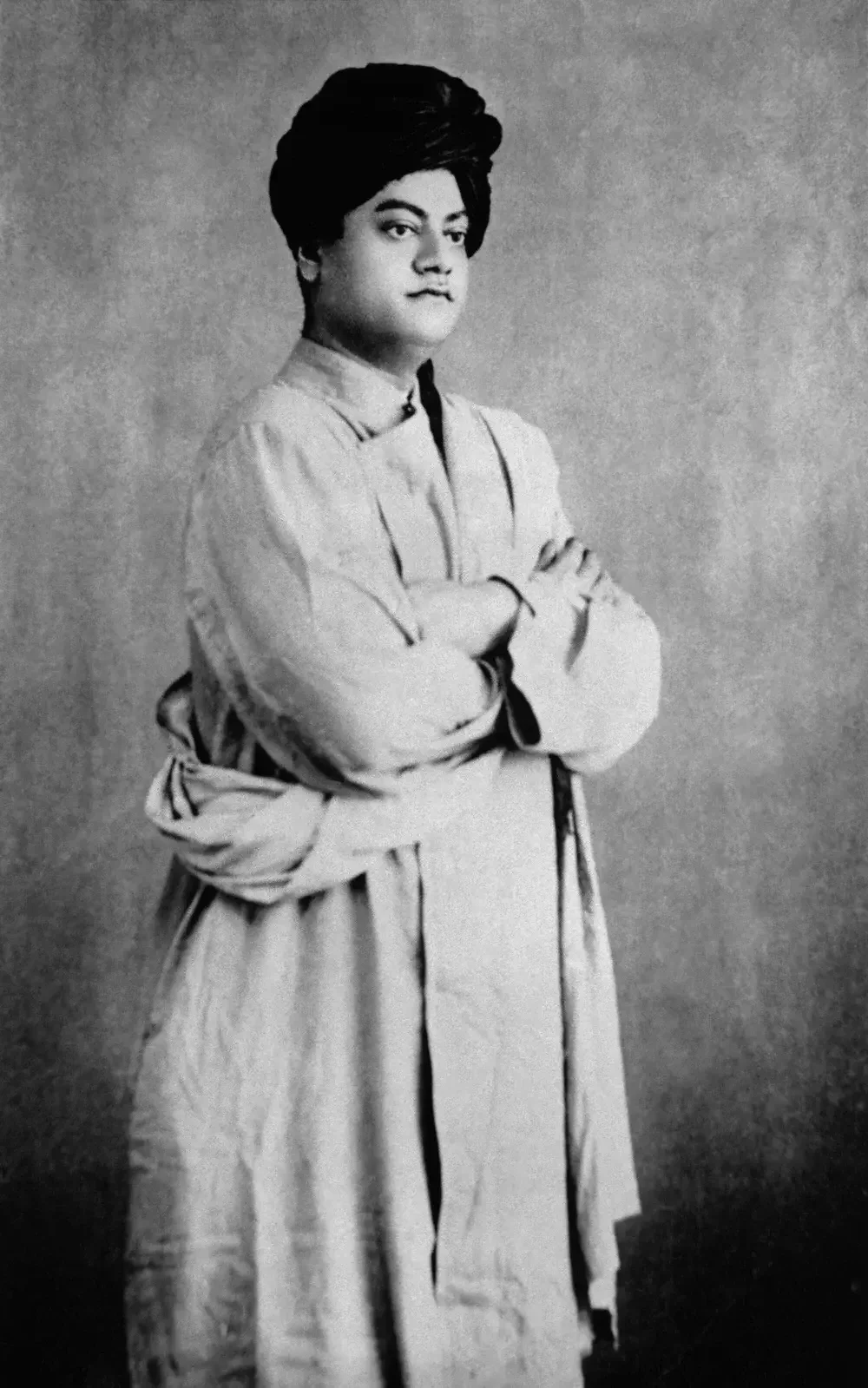
1898: The Guru and the Passing on of the Baton
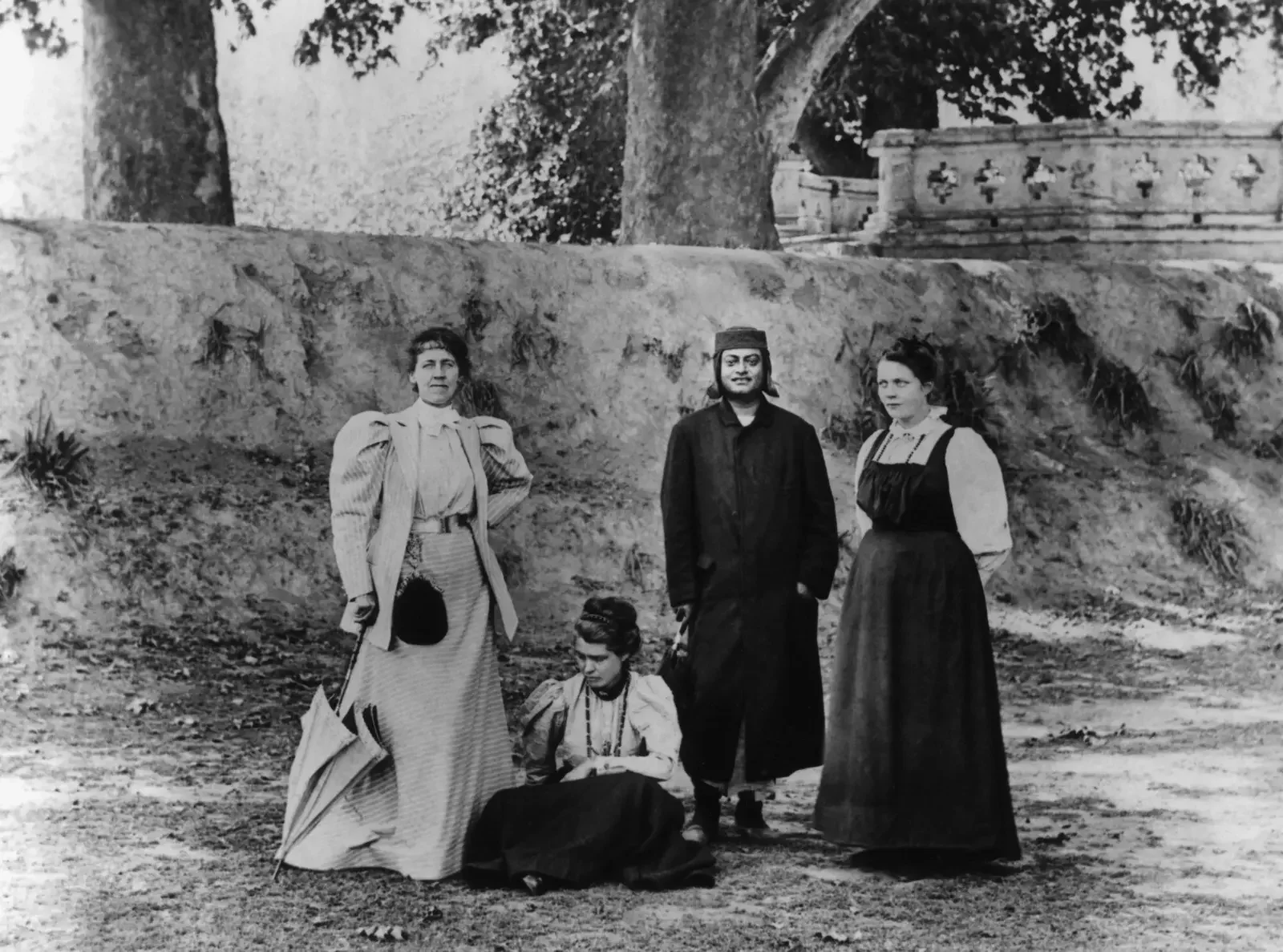
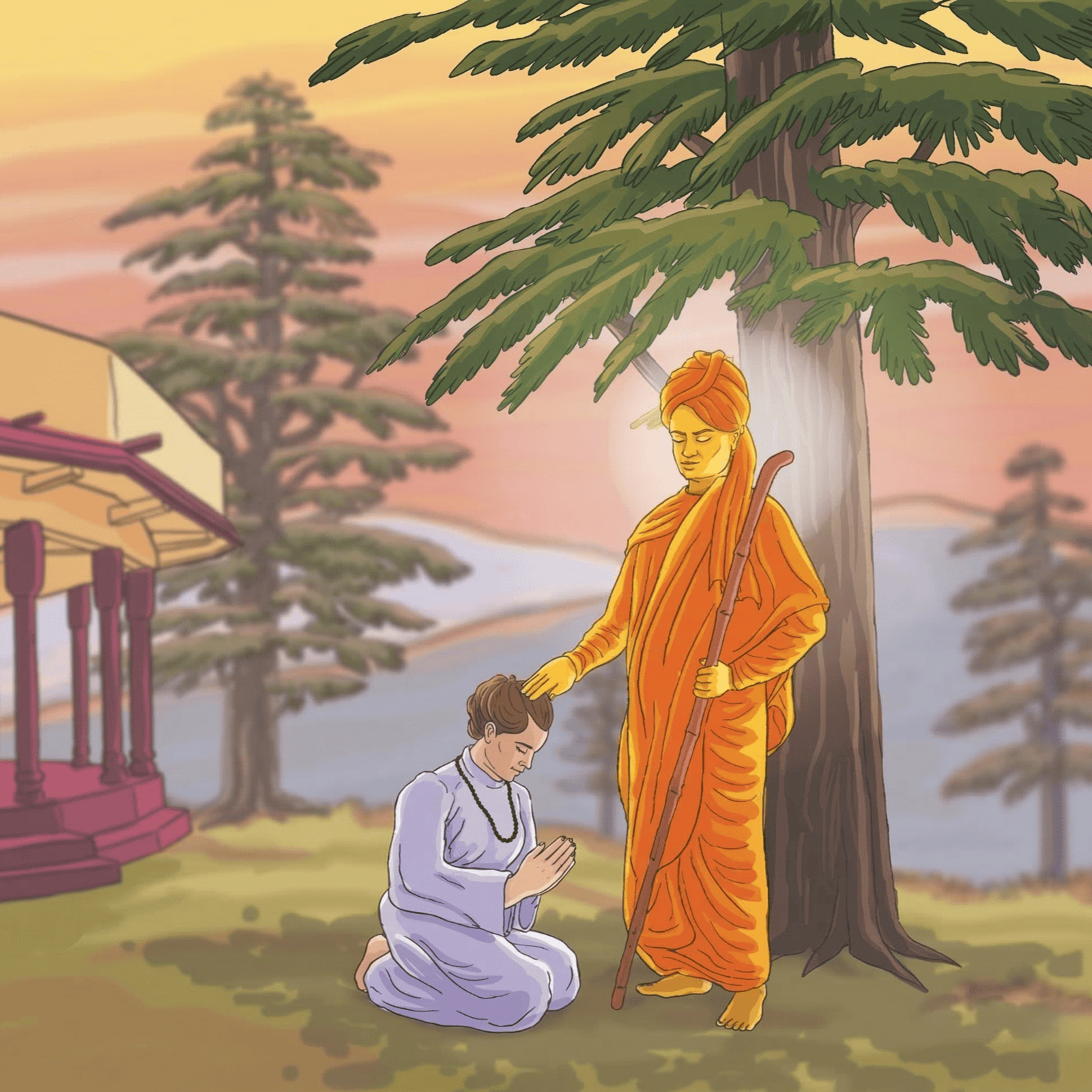
By his third visit, Swami Vivekananda’s mission had fully crystallized. He brought his Western disciples to Almora, seeking to immerse them in the living spirit of India.
An Enduring Echo
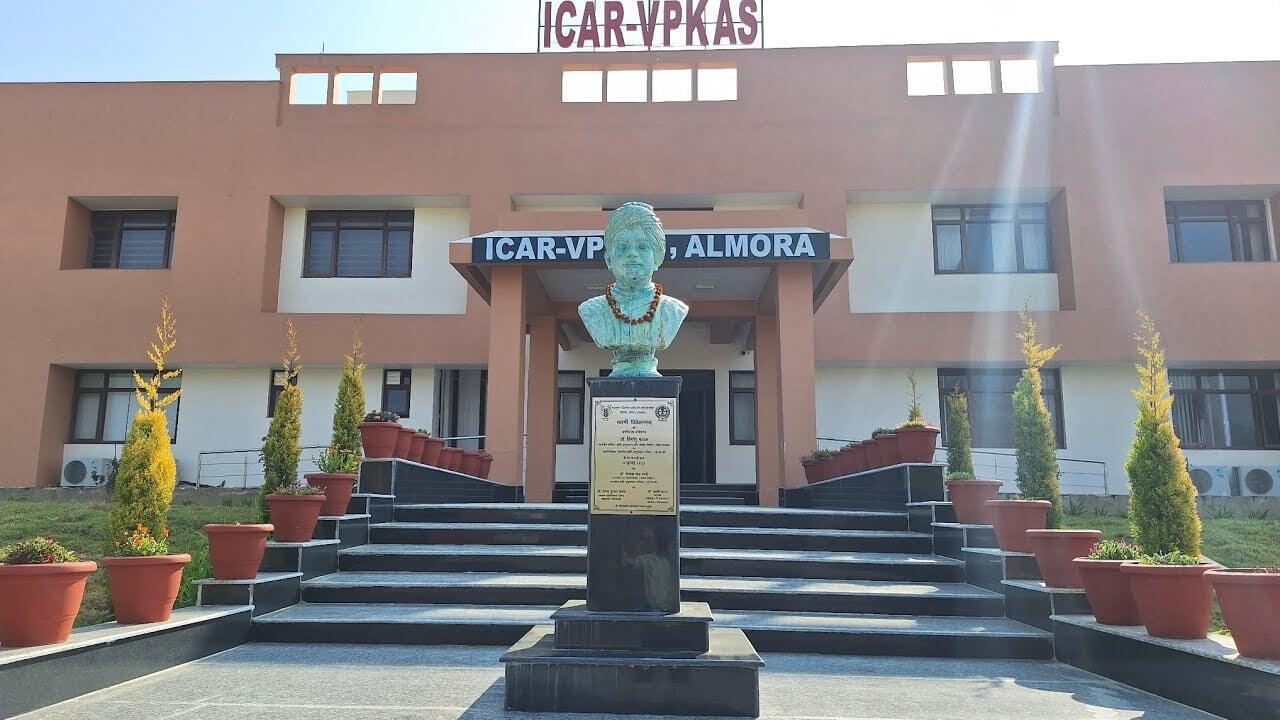
Almora’s connection to Swami Vivekananda did not end with his physical presence. Decades later, inspired by his vision, the scientist Boshi Sen established the Vivekananda Laboratory here—sowing the early seeds of India’s Green Revolution in the hills.
ICAR-VPKAS (Vivekananda Parvatiya Krishi Anusandhan Sansthan) traces its origins to this effort. Boshi Sen (1887–1971), a disciple of Swami Sadananda and a close associate of Jagadish Chandra Bose, was inspired by Sister Nivedita to serve India through science. He founded the Vivekananda Laboratory in Kolkata on 4 July 1924, later shifting it to Almora in 1936, where he pioneered high-altitude agriculture and hybrid seed research. After his passing in 1971, the laboratory was taken over by ICAR in 1974 and later came to be known as the Vivekananda Institute of Hill Agriculture.
It was Boshi's efforts which resulted in the construction of Vivekananda Memorial Rest Shelter at Karbala in 1971.
In 1916, Ramakrishna Kutir was established through the efforts of Swami Shivananda and Swami Turiyananda, fulfilling Swami Vivekananda’s vision of a retreat centre in this Himalayan town. Over more than a century, it has continued to draw monks and devotees from around the world, offering a serene atmosphere for spiritual practice and scriptural study.
At the same time, true to his ideal of “Shiva jnane jiva seva,” the Ashrama serves the local hill communities through education, relief, and welfare activities.
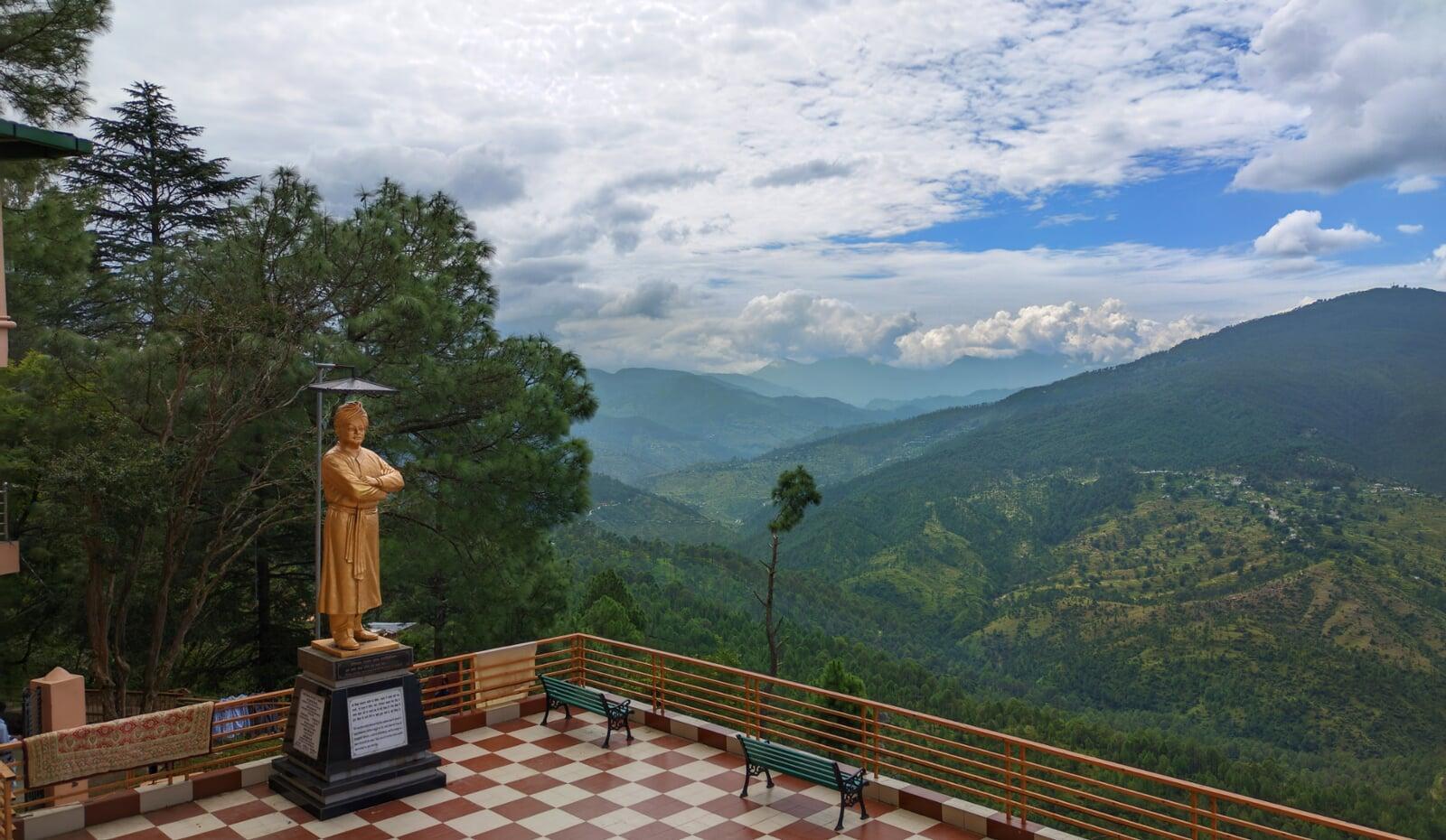
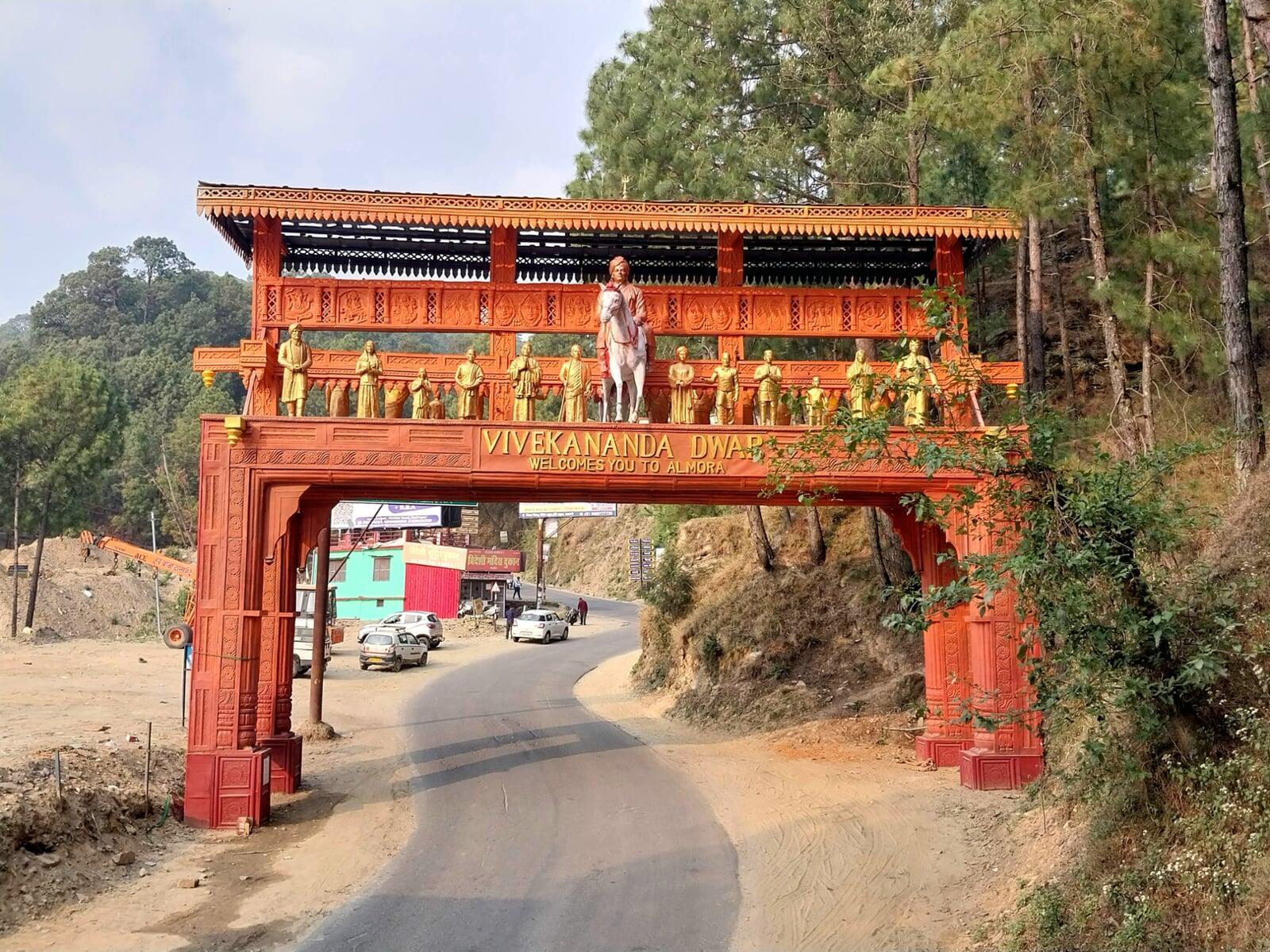
Such is the deep love of the people of Almora for Swami Vivekananda that the very entrance to the town is marked by the Vivekananda Dwar, portraying him on horseback—recalling both his grand reception on returning from the West and his fondness for riding through these hills—constructed in commemoration of the 125th year of his visit (1897-2022).
Schools, colleges, and numerous landmarks of this district bear his name, while books and writings from the region continue to reflect his enduring influence. Seminars and symposiums are regularly held to reinterpret his message, keeping it vibrant and relevant.
In Almora, he is not merely remembered—he is felt as one of their own. Almost every turn carries a memory, a place touched by his presence or inspired by his spirit.
Explore More